How FirstCall
Works

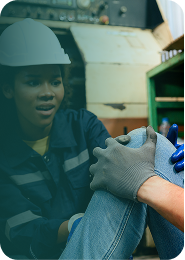
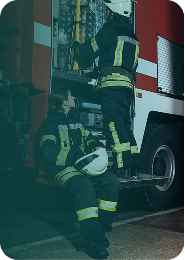
Injury Occurs

First responder sustains injury or exposure on duty and calls FirstCall immediately from the scene.

Clinician Triage

Board-certified Clinician assesses injury severity and determines if an ER visit is necessary.

Documented & Compliant

Clinical care protocols, treatment instructions, and full documentation for workers' comp compliance.

Return-to-Duty Status

Clinician makes the final clearance decision. The first responder returns to duty or receives a follow-up care plan.

First Call Portal

Portal access 24/7 · Clinician evaluations 7am–12am

  • Report by phone or portal — same shift
  • Connect with a clinician in minutes
  • Receive a clear recommendation — documented and secured
  • Activate your agency — onboarding under one hour
  • Set role-based access for HR and command staff
  • Go live — injuries routed through FirstCall from day one
  • Monitor team injury reports in real-time
  • Access supervisor-only documentation and forms
  • Review return-to-work status instantly
  • Approve clinician recommendations for light duty
  • Automated alerts for new incidents on your shift
  • Direct communication channel with clinical staff

From Injury to Clearance in
Four Steps

Clinician-Supervised. Evidence-Based.

Board-certified occupational health expertise with enterprise-grade technology.

Clinical Process

Licensed NPs and PAs conduct structured occupational health triage. Complex cases escalated to supervising Clinician. All recommendations follow ACOEM and ODG guidelines.

HIPAA Compliance

End-to-end encryption (AES-256 at rest, TLS 1.3 in transit). Full HIPAA technical, physical, and administrative safeguards. BAAs available for all employer partners.

Audit-Ready Documentation

Every clinical interaction time-stamped and logged. Notes formatted for workers' comp, union requirements, and OSHA reporting. Fully auditable records.

System Integration

Secure API-based integrations with workers' comp, HR, and EHR systems. All connections authenticated and encrypted. 99.9% uptime SLA with geo-redundant backups.

arrow left Common Questions arrow right

Questions we hear most often

No. Your medical records are private and are not shared with your employer without your permission. The only thing your department or facility receives is your work status — whether you're cleared for full duty, modified duty, or need time off — along with the date and general nature of the work-related injury. This is standard practice for any occupational health provider.

Yes — always start a case. Many injuries, including muscle injuries, joint impacts, and exposures, don't show their full extent right away. Having a clinical record from the day it happened protects you if symptoms get worse later. There's no downside to reporting something minor, but there can be a significant downside to not reporting something that turns out to be more serious.

No — and it's not meant to. If your injury requires emergency care, the clinician will tell you immediately and contact the ER before you arrive. What FirstCall prevents is ending up in an emergency room for an injury that didn't need to be treated there in the first place — which happens far more often than it should.

Open a FirstCall case right now and identify it as an exposure. Do not wait until the end of your shift. Protective medication, when needed, is most effective when started within two hours. A Clinician will review your case immediately and, if medication is indicated, a prescription will be sent to the nearest pharmacy.

A licensed nurse practitioner or Clinician assistant — the same type of clinician you'd see at an occupational health clinic or urgent care. A board-certified Clinician supervises the team and personally reviews any decision that requires escalation, an exposure case, or a return-to-duty clearance. This is a Clinician-supervised clinical team, not an automated service.

Yes. Nurses, aides, technicians, and other clinical staff face the same kinds of on-the-job injuries as first responders — needlesticks, patient-handling injuries, workplace assaults — and are covered under the same workers' compensation rules. The FirstCall process is exactly the same, with documentation formatted to meet the requirements of your facility's HR and compliance teams.

Let’s Work Together